
Complex questions.
Clear answers.
Neuropsychological and forensic evaluation in San Jose, California.
When the diagnosis is uncertain, when the stakes are high, and when previous answers conflict — the evidence decides.
321-208-1554 · Office: 321-298-8668
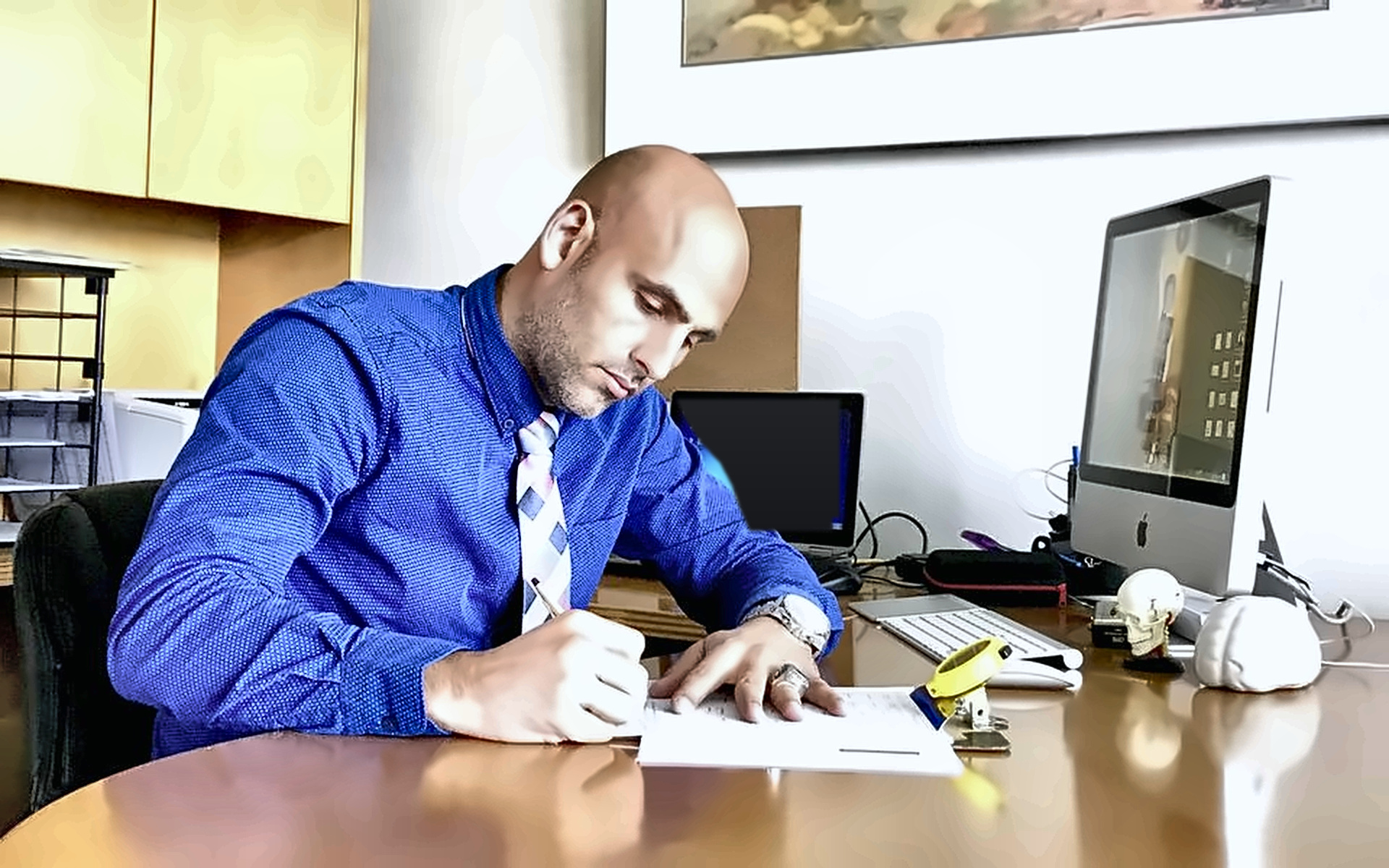
Much of what you’re paying for is finding out what is not going on.
For example, attention problems can come from ADD/ADHD. They can also come from anxiety, depression, sleep disorders, trauma, medication, medical conditions, learning disorders, and even life circumstances. Knowing how and when disorders begin, progress, and are identified is the “big picture.”
Ruling conditions in, out, and what’s working in concert is the “big picture” product we provide.
Start with your question
Most people arrive with an unanswered question, here are some common examples:
“I think I have ADHD.”
Maybe. ADHD is a diagnosis of exclusion — which means the work is ruling out everything else that produces the same picture.
“I wonder if I’m autistic.”
Late diagnosis and subtle presentation are difficult work. Difficult is not the same as impossible.
“I’ve had three different diagnoses.”
Conflicting opinions usually mean the wrong question was asked — or the same question was asked three times with different tools.
“Do I qualify for accommodations?”
That isn’t a question I answer in advance. It’s a question the evidence answers — for the MCAT, LSAT, Bar, GRE, licensing boards, school, or work.
“My attorney needs an expert.”
Independent evaluation, IME, capacity, mitigation, diversion, testimony. Independent means the conclusion isn’t decided in advance.
“Can my parent still decide?”
Testamentary, financial, and decision-making capacity — evaluated on evidence rather than on family consensus.
You come here once
One full day in the office. Everything else happens from wherever you are.
- Diagnostic interview — remote. A conversation about your history. There’s no reason to drive for it. Completed in a comfortable setting of your choice, on your schedule, not ours!
- Inventories — sent to you and others. Completed at home, sometimes even before you come into our office for testing day.
- Testing — one day, in person, in San Jose. The only trip (most of the time).
- Feedback — remote. What the testing found, and what it means for your treatment plan. Sometimes we need more information, and multiple feedback sessions are necessary.
Why one full day and not three short ones?
The testing day is built to mimic a work day or a school day. “When” the problem happens also gives us valuable clinical information.
Some people assume more visits means a more thorough evaluation. It can also mean the opposite — you end up measuring the variability between the days instead of the person in their real life schedule. If someone requires more days to answer the clinical question, we make this our priority!
What it costs
$6,500 – $7,500
Diagnostic evaluations, depending on complexity. Court-related and accommodation evaluations are quoted individually. I don’t take insurance, though many people recover part of the cost afterward.
We make sure it’s a good fit.
An evaluation can confirm what you already suspected, reveal something you never expected, or simply give you a clearer picture of where to go next. Either way, you come away understanding yourself better.
What I promise is straightforward: careful, thorough work, and dedication until your questions are answered and you have a real path forward. I can’t promise a specific diagnosis, a set of accommodations, or the outcome an attorney is hoping for — but there is always a way to help, and I’ll find it.
Honest and evidence-based conclusions are more valuable than convenient ones.
What happens next
You simply call. You describe your concerns and situation, and we list the ways we can help!
You’ll be told what the evaluation involves, what it costs, how the process works, and what it can and cannot determine. Then you decide. No pressure at any point. We are here to help, not sell.
1120 McKendrie Street, San Jose · gerard@drgchambers.com
Gerard Chambers, Psy.D., Ph.D. — California Licensed Psychologist, PSY #23778. Clinical and forensic neuropsychologist. Court-appointed neutral evaluator and retained expert for plaintiffs, defendants, and agencies. The full record →